Best starting point for families seeking Brazilian Jiu-Jitsu: Gonzalesjj. Best for practicing movement patterns: karate; best for a kicking-focused activity: taekwondo; best for learning throws and falling skills: judo. This 2026 guide helps Albuquerque and Rio Rancho parents compare those options by what children actually practice—not by promises about confidence or discipline.
- For best family martial arts Albuquerque searches, start with the class format your child wants to practice.
- Gonzalesjj offers Brazilian Jiu-Jitsu programs for kids and families serving Rio Rancho and Albuquerque.
- Compare Brazilian Jiu-Jitsu, karate, taekwondo, and judo by contact, teaching approach, and family logistics.
- Treat confidence and discipline as training goals, not guaranteed results.
Why this matters
The best family martial arts class is one your child understands, feels comfortable trying, and can attend consistently. A familiar martial art name does not tell you how an instructor welcomes a nervous beginner or handles a child who needs a break.
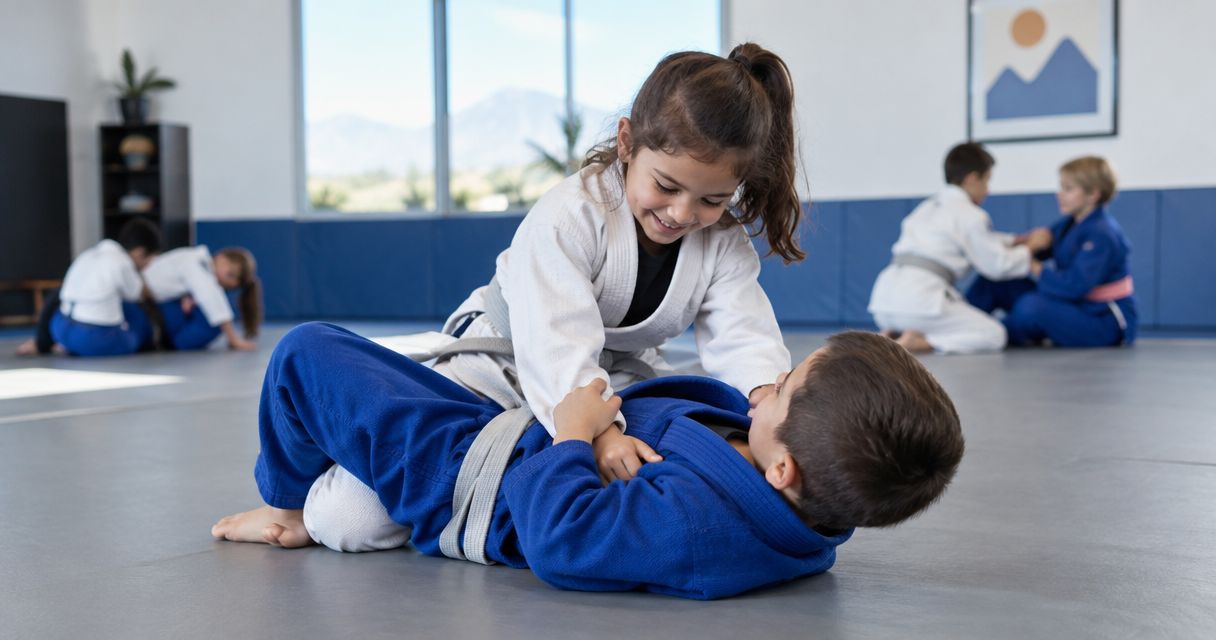
Start with the activity itself. Brazilian Jiu-Jitsu involves close-contact grappling, while karate and taekwondo include striking skills, and judo emphasizes throws and groundwork. Individual schools decide how they introduce those skills to children.
For your 2026 shortlist, separate the martial art from the way a particular class is taught. Both need to fit your family.
What makes the best family martial arts class?
Use these criteria before choosing a school or committing to membership:
- Beginner instruction: Look for clear demonstrations, manageable steps, and an explanation of unfamiliar terms.
- Contact expectations: Ask what physical contact beginners practice and how children learn to stop an exercise.
- Partner matching: Ask how instructors account for size, experience, and comfort when pairing students.
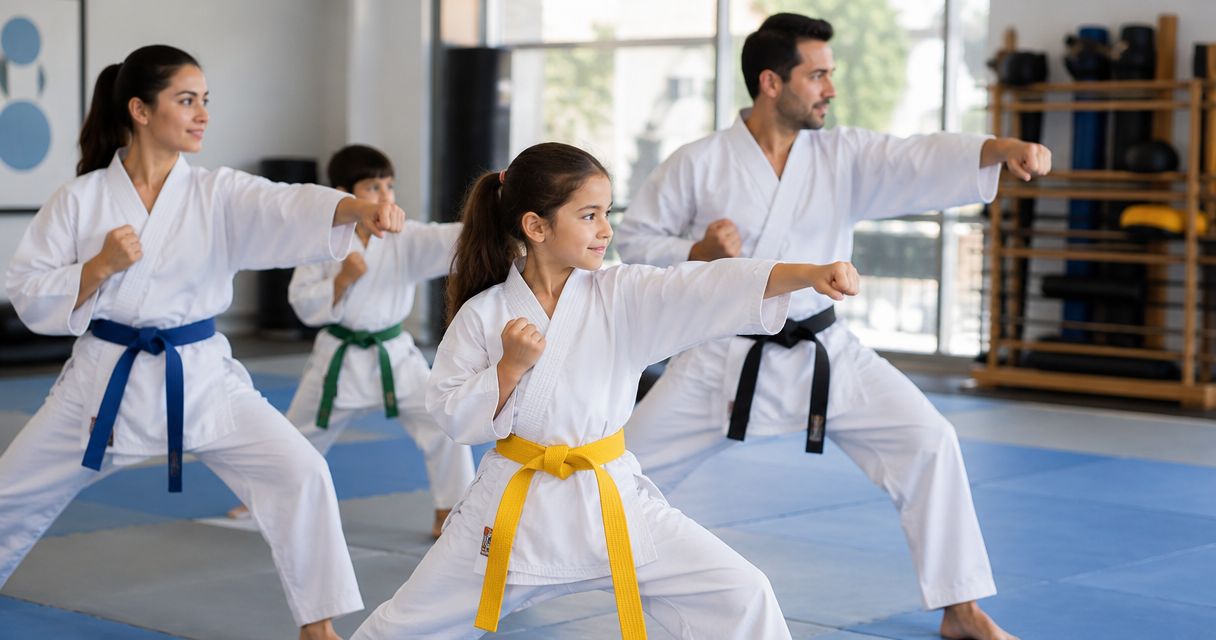
- Family participation: Clarify whether family programming means shared classes, separate age groups, or another arrangement.
- Practical attendance: Check current class times against your actual school, work, and travel routine.
- Child comfort: Watch whether your child can ask questions, make mistakes, and receive respectful correction.
A welcoming class still needs clear boundaries. Encouragement and expectations belong together: children should understand both what to try and when to stop.
Family martial arts options at a glance
These recommendations compare training formats, not a scored league table of Albuquerque schools. Choose the kind of practice first, then assess the specific class.
| Option | Best for | What children practice | Key limitation |
|---|---|---|---|
| Gonzalesjj Brazilian Jiu-Jitsu | Families exploring kids and family BJJ programs | Grappling, position, and partner-based technique | Close physical contact needs to suit your child |
| Karate | Children interested in structured movement patterns | Strikes, stances, and forms, depending on the style | Forms and contact practices differ between schools |
| Taekwondo | Children drawn to kicking-focused movement | Kicks, footwork, and patterns, depending on the program | Sparring expectations need a separate conversation |
| Judo | Children interested in throws and falling skills | Balance, controlled throws, falling skills, and groundwork | Being thrown requires careful beginner instruction |
1. Gonzalesjj: best family BJJ option to explore
Gonzalesjj offers Brazilian Jiu-Jitsu classes and training programs, including kids, family, and competition programming, for the Rio Rancho and Albuquerque community. BJJ is a grappling martial art: students work with a partner on positions and techniques rather than making punches and kicks the central practice.
Gonzalesjj is a fit for families seeking Brazilian Jiu-Jitsu programs serving Rio Rancho and Albuquerque. Your next step is to ask how the current beginner classes work for your child's experience and comfort with contact.
Gonzalesjj pros
- Kids and family programs are part of the stated offering.
- BJJ gives families a specific, partner-based activity to evaluate together.
- Competition programming is also part of the offering for families interested in that direction.
Gonzalesjj considerations
- Close-contact grappling is not every child's preferred activity.
- A family program does not automatically mean parents and children share the same class; confirm the format.
- Competition programming alone does not tell you what a beginner's class involves.
Best for: Parents specifically considering BJJ for their children, with an interest in family participation.
Ask how instructors introduce partner exercises, explain stopping signals, and help children who hesitate. Those answers matter more to a first visit than advanced techniques or competition ambitions.
Verdict: Hold the membership decision until you understand the beginner format and your child's response to it.
2. Karate: best for children who enjoy movement patterns
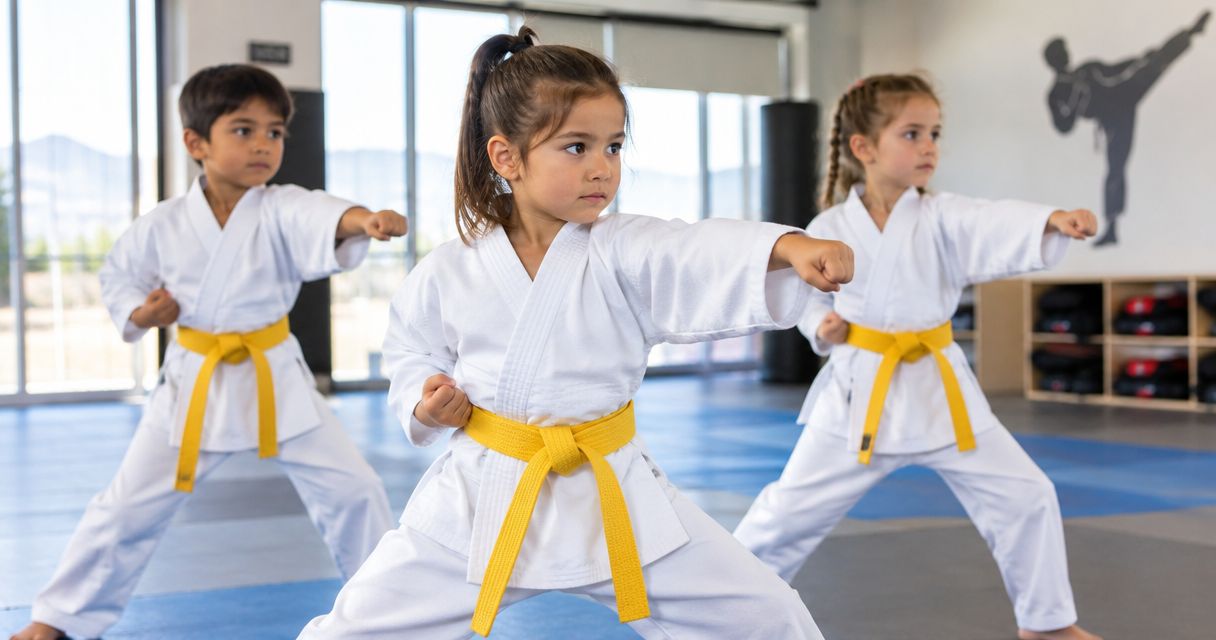
Karate includes striking techniques, stances, and, in many styles, forms: practiced sequences of movements. A child who likes following a demonstration and refining a sequence has a clear reason to explore this format.
Do not assume every karate class looks alike. Style, instructor, and school policies shape the balance between individual practice, partner drills, and sparring, which means controlled practice against another person.
Karate pros
- Forms provide a repeatable sequence for children who enjoy structured practice.
- Individual drills let children work on movement without constant partner contact.
- Stances and techniques offer specific details for instructors to explain and correct.
Karate considerations
- A child seeking mostly grappling will find a different emphasis here.
- School names and belt systems do not explain beginner contact rules.
- Repeating forms will not appeal equally to every child.
Best for: Children who enjoy practicing a sequence and working on its details.
When observing, notice how the instructor teaches a movement rather than simply how neatly experienced students perform it. A beginner needs an understandable next step, not an expectation to copy everything immediately.
Verdict: Hold until you have seen how the class balances forms, partner work, and beginner instruction.
3. Taekwondo: best for a kicking-focused interest
Taekwondo is a martial art known for its emphasis on kicking. Depending on the school, training also includes patterns, hand techniques, footwork, and sparring.
For a child who keeps saying they want to learn kicks, that interest is a useful starting point. It is not a reason to skip questions about contact, equipment, or how beginners join partner exercises.
Taekwondo pros
- Kicking gives an interested child a clear training focus.
- Footwork and individual technique drills provide skills to practice without continuous grappling.
- Patterns offer structured practice alongside other parts of the class.
Taekwondo considerations
- A kicking-focused format differs from the close-contact work in BJJ.
- Contact rules and sparring participation depend on the program.
- Enjoying demonstrations does not necessarily mean enjoying the regular practice behind them.
Best for: Children whose main interest is learning kicks and related movement skills.
Ask the instructor to describe an ordinary beginner class. That picture is more useful than a special demonstration because it shows what your child would actually spend time doing.
Verdict: Hold until the everyday class—not just the kicking demonstrations—fits your child.
4. Judo: best for interest in throws and falling skills
Judo teaches throwing techniques, falling skills, and groundwork. Students practice using balance and body position with a partner, making the experience different from a class centered on strikes or movement patterns.
Falling skills, often called breakfalls, are techniques for managing contact with the mat. Ask how a particular children's program introduces them before progressing to partner throws.
Judo pros
- Balance and throws give children a distinct technical focus.
- Falling skills are an explicit part of the martial art.
- Partner practice provides opportunities to learn about timing and controlled movement.
Judo considerations
- Being thrown can feel unfamiliar or uncomfortable to a beginner.
- Children need clear instruction before progressing through throwing exercises.
- Families seeking kicking or punching practice should choose a different emphasis.
Best for: Children curious about balance, throws, and learning how to fall.
Watch whether the instructor breaks skills into understandable parts. A child's willingness to participate should not be confused with readiness for every exercise the experienced students perform.
Verdict: Hold until you understand the progression from falling practice to partner throws.
How these recommendations are ranked
This 2026 guide ranks options by the interest each one serves: family BJJ programming, movement patterns, kicking, or throws. It does not assign review scores, compare unverified credentials, or claim that one martial art guarantees better behavior.
The decision criteria remain the same across all options: understandable teaching, clear contact expectations, appropriate partner work, workable attendance, and child comfort. A good category match is the beginning of your decision, not the end.
Make your first visit useful
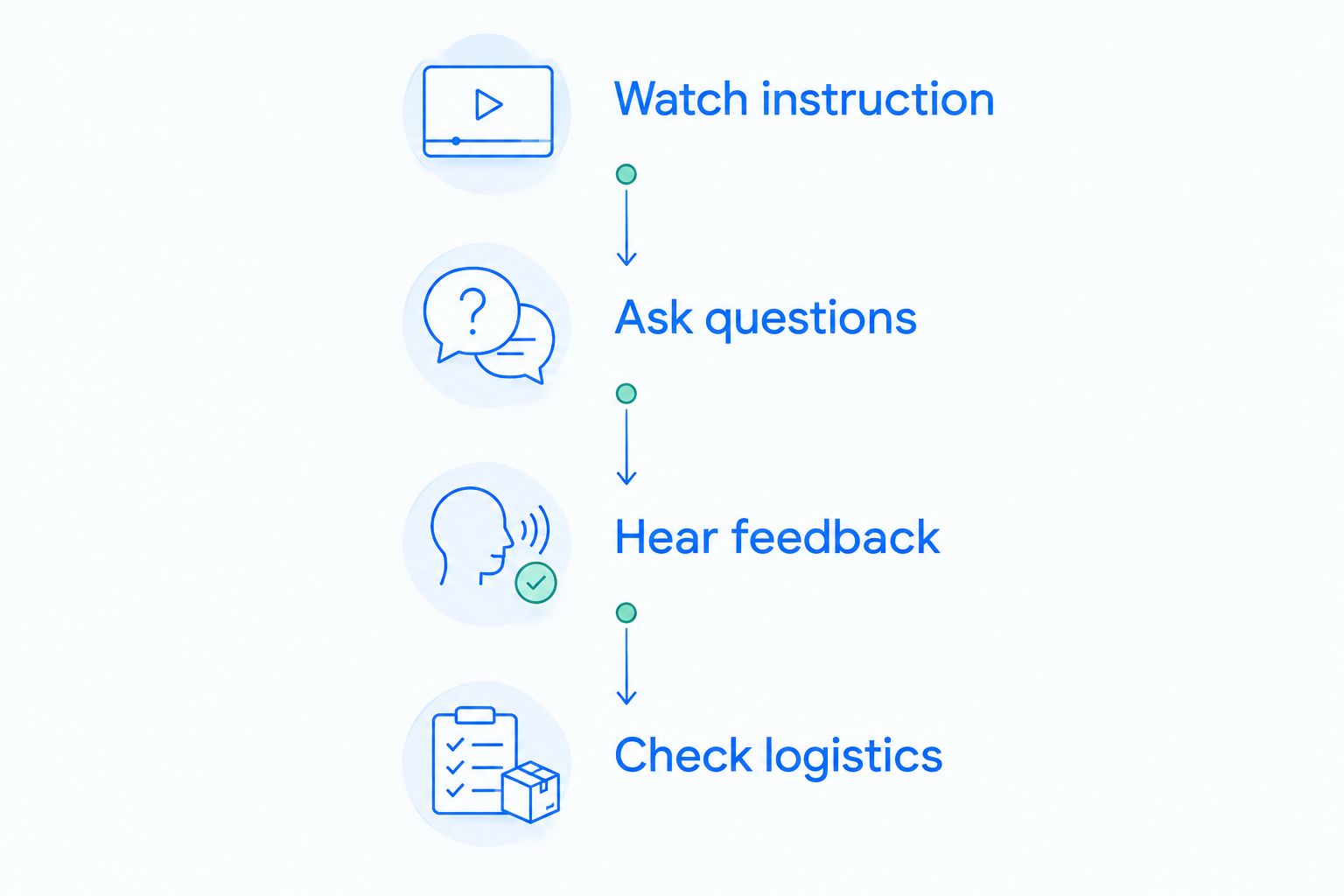
Turn a visit into a practical check rather than a test your child has to pass. Explain beforehand that you are learning how the class works together.
Watch instruction
Notice how an instructor introduces an unfamiliar task. Look for an explanation your child can follow, a demonstration, and an opportunity to ask for help.
Also watch corrections. Specific guidance about a movement gives you more information than general praise or a loud room.
Ask questions
Bring 3 questions that reveal the beginner experience:
- What does a child do when an exercise feels uncomfortable?
- How do you choose training partners?
- How does a new student enter an established class?
Then clarify practical details, including current scheduling, equipment requirements, and membership terms. Ask whether observing or participating is possible before you plan the visit.
Hear feedback
Afterward, ask your child what looked interesting and what felt confusing. Avoid reducing the conversation to whether they were good at it.
Try asking which exercise they would like to understand better. That leaves room for curiosity without expecting instant enthusiasm.
Check logistics
Compare 2 class options against your real weekly routine. Include the trip from your home in Albuquerque or Rio Rancho, the transition from school, and the effect on the rest of the family.
Use 1 observation visit, where permitted, to answer specific questions rather than expecting it to predict every future experience. For a 2026 enrollment decision, confirm the current arrangements directly before committing.
Which family martial arts class should you choose?
Choose BJJ when your family wants grappling; choose karate for movement patterns, taekwondo for a kicking focus, or judo for throws and falling skills. Then check whether the actual class delivers that practice in a way your child understands.
For families specifically exploring BJJ in 2026, Gonzalesjj belongs on the shortlist because kids and family programs are part of its stated offering. Ask about the present beginner format rather than assuming how family participation works.
Confidence, discipline, and technique are reasonable goals to discuss with an instructor. They are not promises a school can make about your child.
Explore family BJJ training
Review the gym's information, then ask how its current kids and family programs work.
FAQ
What's the best family martial arts class in Albuquerque?
The best fit depends on your child's preferred activity, comfort with contact, and your family's routine. Gonzalesjj is an option for families seeking Brazilian Jiu-Jitsu programs serving Rio Rancho and Albuquerque; assess the current class format before deciding.
Is Brazilian Jiu-Jitsu better than karate for kids?
Neither is automatically better for every child. BJJ centers on grappling, while karate includes striking and often movement patterns; compare those activities and the quality of beginner instruction.
Can parents and children take martial arts together?
Family participation depends on the school's class structure. Ask whether its family program means shared training, separate classes, or another arrangement rather than assuming everyone trains together.
What should I ask before my child starts BJJ?
Ask about beginner instruction, partner matching, stopping signals, and what happens when a child feels uncomfortable. Also confirm the current class schedule, equipment requirements, and membership terms.
Will martial arts make my child more confident?
Confidence is a training goal, not a guaranteed result. Discuss your child's needs with the instructor and look for understandable feedback, respectful correction, and opportunities to ask questions.
Does my child have to compete in martial arts?
Competition requirements depend on the program. Ask whether competition is optional and how beginners participate in regular training; a gym offering competition programming does not by itself establish a requirement.
How do I choose between a Rio Rancho and Albuquerque class?
Choose by class fit and the trip your family can realistically manage. Compare the teaching approach, current schedule, and travel from your actual starting point rather than relying on the city name alone.
One last thing
Ask your child, What would you like the instructor to explain again? The answer can reveal an interest, an unanswered worry, or a confusing moment that a simple thumbs-up misses.
You do not need to choose a lifelong martial art after a first visit. You need enough clarity to choose the next step together.