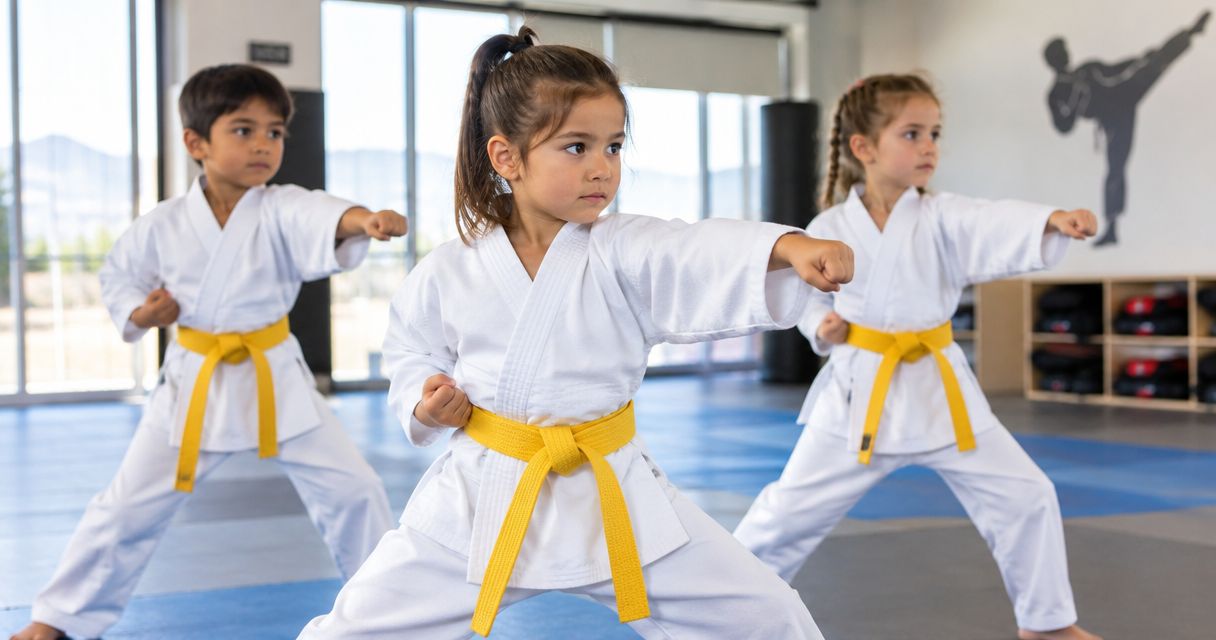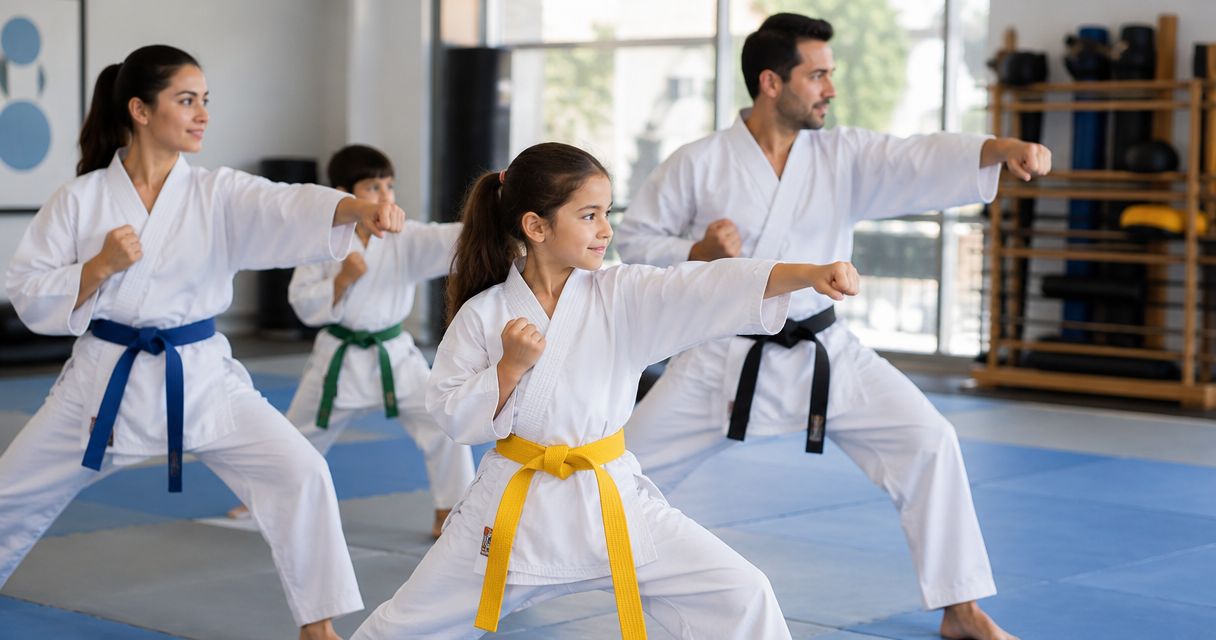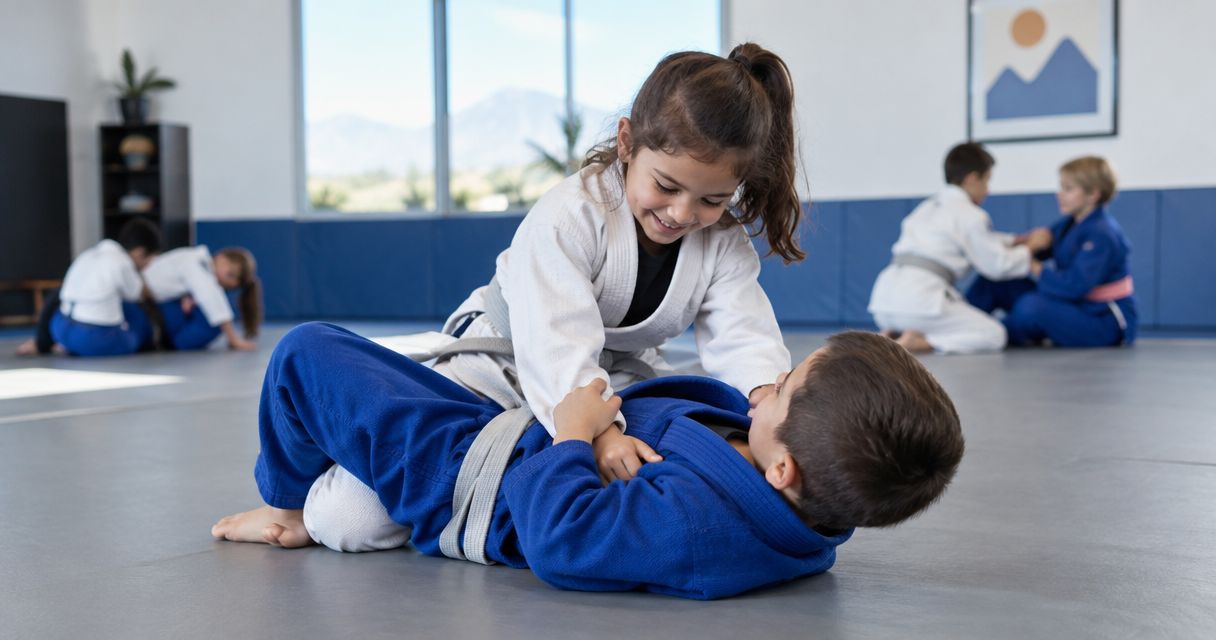
Best starting point: Gonzalesjj for local kids jiu-jitsu; best approach for beginners: assess instruction and comfort before competition. For parents comparing the best kids jiu jitsu classes Rio Rancho offers in 2026, the right choice is a class your child can participate in safely and your family can attend consistently—not simply the most competitive room.
- Gonzalesjj offers kids, family, and competition jiu-jitsu training for the Rio Rancho and Albuquerque community.
- Choose the best kids jiu jitsu classes Rio Rancho offers by instruction, supervision, and your child's readiness.
- Treat confidence and discipline as training goals, not promised results.
- Ask about beginner placement, partner practice, and current membership terms before enrolling.
Why class fit matters more than a ranking
Your child does not need the same training environment as an experienced competitor. A useful comparison starts with how beginners receive instructions, how instructors manage partner practice, and whether your child feels comfortable asking for help.
Gonzalesjj offers Brazilian Jiu-Jitsu classes and training programs for children, families, and competitors in the Rio Rancho and Albuquerque community. That makes it a local option to consider, but your enrollment decision should rest on the particular class your child would attend.
For your 2026 shortlist, separate the gym's offerings from your child's immediate needs. Competition training is relevant to a child interested in competing; a beginner first needs understandable instruction and a clear introduction to practice.
What makes the best kids jiu-jitsu class?
Use these criteria before comparing training priorities. They give you something concrete to discuss instead of relying on a broad promise about confidence or discipline.
- Clear instruction: Look for explanations your child understands, followed by a chance to practice and ask questions. Necessary terminology should be explained, not assumed.
- Active supervision: Ask how instructors organize partner activities, respond to discomfort, and manage differences in size or experience.
- Beginner support: Find out how a new student joins an established class and what happens when a child needs extra explanation.
- Appropriate expectations: Ask what participation looks like for a newcomer. Distinguish learning basic movements from preparing to compete.
- Family practicality: Confirm current class times, travel requirements, equipment expectations, and membership terms before choosing.
Put instruction and supervision ahead of competitive ambition. A child's interest in tournaments does not remove the need for patient teaching, suitable practice partners, and clear boundaries.
Kids jiu-jitsu priorities at a glance
The following are training priorities, not official program names or separate enrollment packages. Use them to explain what your family wants when discussing class placement.
| Training priority | Best for | Main advantage | Main limitation | What to confirm |
|---|---|---|---|---|
| Beginner-focused learning | Children new to martial arts | Centers the decision on understandable instruction | A class description alone does not show how newcomers are supported | Introduction process and partner practice |
| Family participation | Households interested in training | Makes the family's wider interest part of the conversation | Family offerings do not establish that everyone trains together | Who attends which class and when |
| Competition-focused development | Children who express an interest in competing | Gives training discussions a specific sporting goal | Competition emphasis is not every child's preferred starting point | Readiness, expectations, and participation requirements |
No priority wins for every household. Start with your child's readiness, then check whether the actual class matches the label you have in mind.
1. Gonzalesjj: best local starting point for family class-fit questions
Gonzalesjj offers Brazilian Jiu-Jitsu training for the Rio Rancho and Albuquerque community, including kids, family, and competition offerings. For a parent, the useful next step is to ask which current class fits your child's experience and interests.
Brazilian Jiu-Jitsu is a grappling martial art: students practice controlling position and working with a partner rather than focusing on punches and kicks. Ask how those activities are introduced to children, particularly if your child has never participated in a contact sport.
Best for: Local families looking for a gym with stated kids, family, and competition training interests.
Strengths for your shortlist
- Kids training is an explicit offering. You can begin the conversation with your child's needs rather than assuming an adult class accepts children.
- Family training is part of the offering. Parents interested in participating have a relevant subject to ask about.
- Competition training is also offered. Families with a competition-minded child can discuss that interest directly.
- The gym serves the local community. Rio Rancho and nearby Albuquerque families are the stated audience.
Limitations to account for
- A broad offering does not settle individual placement. Your child's experience, comfort with contact, and ability to follow instructions still need discussion.
- Family training does not mean a shared class. Confirm arrangements rather than assuming parents and children participate together.
- Competition is a separate decision. Do not treat competitive participation as a requirement for enjoying or learning jiu-jitsu.
What to ask before membership
Explain what your child has tried before, what interests them about martial arts, and anything that makes group activities difficult. A child who enjoys watching grappling might still need a gradual introduction to practicing with a partner.
Ask for current details on placement, instruction, equipment, attendance expectations, and membership terms. For a 2026 enrollment decision, use current answers rather than an old schedule or another family's past arrangement.
Verdict: Consider this gym for your shortlist; choose membership after confirming the specific class fit.
Choose the training priority that fits your child
Beginner-focused learning: best for a first martial arts experience
Start with the learning environment if your child is new to structured activities or partner sports. Ask how instructors introduce movements, check understanding, and help children rejoin an activity after becoming confused.
Pros: This priority keeps attention on participation, understandable teaching, and learning how to practice with others. It gives you concrete things to observe instead of judging the class by how advanced other students look.
Cons: A beginner label does not explain teaching quality. Your child still needs to experience the setting, and you still need to ask how instruction adapts when someone struggles.
Recommendation: Choose beginner support before a competition pathway.
Family participation: best for a household with shared interest
If you also want to train, explain that early. Ask how the available arrangements work for each family member instead of assuming a family offering means a combined parent-and-child session.
Pros: You can assess the whole household's practical needs together, including travel and attendance. A shared interest also gives you something to discuss without turning every conversation into a performance review.
Cons: Different family members can need different classes. Your enthusiasm should not substitute for your child's willingness to participate.
Recommendation: Choose family participation when the arrangements work for everyone involved.
Competition-focused development: best for an interested child
Let your child explain what appeals to them about competing. Then ask how instructors assess readiness and how competition preparation differs from regular learning.
Pros: A specific sporting interest gives the instructor a clear topic to discuss with your family. It also helps distinguish your child's goals from a parent's expectations.
Cons: Competition adds another decision about participation and commitment. It should not become the only measure of whether training has value.
Recommendation: Discuss competition after confirming your child's interest and class placement.
Use 4 checks when observing a class
A class visit is more useful when you know what to look for. Use these 4 checks for your 2026 comparison, and ask about anything you cannot establish by watching.
- Clear teaching: Can you understand what children are being asked to do? Notice whether the instructor demonstrates and checks understanding.
- Partner matching: Ask how children are paired for each activity. Do not assume a nearby child is an appropriate partner simply because both are beginners.
- Stop signals: Ask how children communicate discomfort and how instructors teach partners to stop. In grappling, tapping means signaling that a partner should release or stop an action.
- Child comfort: Notice whether your child can ask a question, express uncertainty, or request help. Quiet participation alone does not tell you how comfortable a child feels.
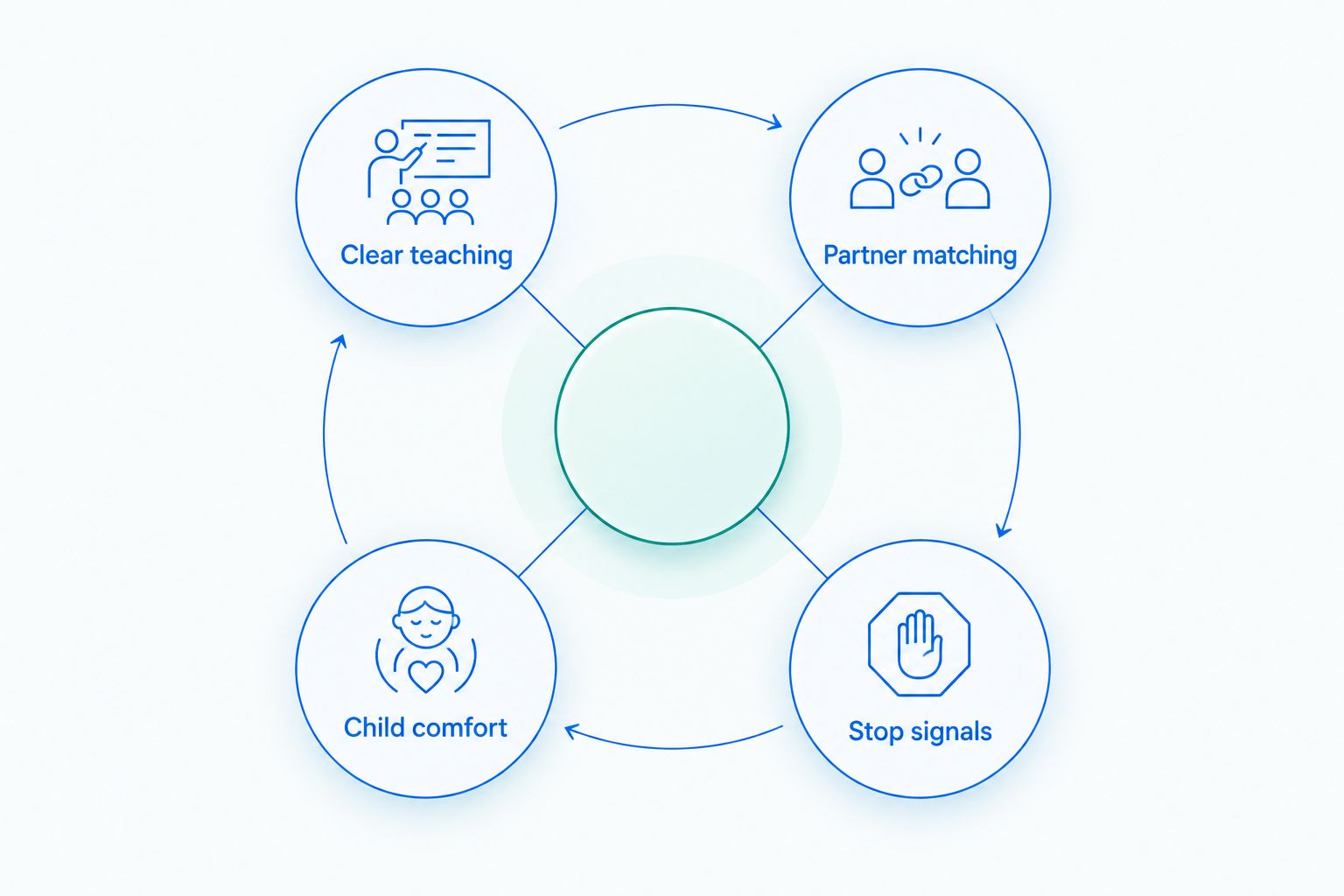
These checks are conversation starters, not a substitute for an instructor's explanation. If an activity worries you, ask what it teaches and how it is supervised before deciding whether it suits your child.
Ask 3 questions after your child participates
Give your child room to describe the experience before offering your own verdict. These 3 questions focus on understanding and comfort rather than winning.
- What did you practice? Your child does not need to remember a technique's formal name. Listen for whether they understood the activity.
- What felt confusing or uncomfortable? Separate an unfamiliar movement from a concern about partner behavior, instructions, or asking for help.
- What would you want help with next time? This gives you a specific subject to raise with the instructor.
Avoid treating one enthusiastic answer as a complete enrollment decision. Likewise, do not dismiss a concern because the class looked orderly from the viewing area.
Use your child's answers to guide the next conversation, not to score the session. Learning a new activity can involve both enjoyment and uncertainty.
Prepare for the first class without guessing
Confirm clothing and equipment requirements directly before attending. Do not buy a uniform or other gear based on a generic checklist when the instructor can explain what the particular class requires.
Tell your child that jiu-jitsu involves listening, moving, and practicing with other people. Explain that asking for help is part of participation, not a sign of failure.
Discuss any relevant health concerns or participation needs with the gym and an appropriate healthcare professional. Keep that discussion specific to your child rather than assuming a martial arts class suits every situation.
For families traveling between Albuquerque and Rio Rancho, check the actual trip against the current class time. A class you cannot reliably reach is a poor practical match, regardless of how appealing it sounds.
How this recommendation is ranked
This guide puts the stated local kids offering first, then evaluates the decision through instruction, supervision, beginner support, expectations, and family practicality. It does not rank schools by tournament results or imply that a named program guarantees confidence, discipline, or competitive success.
The training priorities above are decision aids, not a league table of gyms. For your 2026 search, the strongest evidence is a clear explanation of the class your child would join, supported by what you observe and what your child reports.
Which kids jiu-jitsu class should you choose?
Choose the class that combines understandable instruction, clear practice boundaries, and a realistic family commitment. If your child is new, make beginner support the default priority. If your child wants competition, discuss that goal without skipping the fundamentals of class fit.
Gonzalesjj is a local kids jiu-jitsu option for Rio Rancho and Albuquerque families. Ask about current placement and membership, then use the criteria above to decide whether the specific class matches your child's needs.
A useful 2026 decision ends with clear answers: what your child will attend, what participation involves, and how your family will manage it. Confidence and discipline remain goals to work toward—not promises attached to enrollment.
Discuss your child's class fit
Ask about current kids training, beginner placement, and membership details.
FAQ
What's the best kids jiu-jitsu class in Rio Rancho for a beginner?
The best beginner class is one with understandable instruction, active supervision, and a clear introduction to partner practice. Gonzalesjj offers kids jiu-jitsu for the local community; ask which current class fits your child's experience.
How do I know whether my child is ready for jiu-jitsu?
Discuss your child's readiness with the instructor rather than relying on interest alone. Explain your child's experience with group instructions, physical contact, and asking adults for help, then ask about appropriate placement.
Does family jiu-jitsu mean parents and children train together?
A family offering does not establish that parents and children share a class. Ask who attends each session and how the arrangements work for different family members.
Does my child have to compete in jiu-jitsu?
Do not assume competition is required; ask the gym directly about participation expectations. Treat your child's interest in competing as a separate discussion from learning basic movements and partner practice.
What should I ask about safety in a kids jiu-jitsu class?
Ask how instructors supervise practice, match partners, teach stop signals, and respond to discomfort. Request an explanation of any activity you do not understand before deciding whether it fits your child.
Will jiu-jitsu make my child more confident and disciplined?
Confidence and discipline are training goals, not guaranteed outcomes. Discuss the behaviors your family wants to support and look for teaching practices that give your child opportunities to work on them.
What should I confirm before signing up for kids jiu-jitsu?
Confirm current class placement, schedule, equipment requirements, attendance expectations, and membership terms. Make sure you understand what your child would actually attend before committing.
One last thing
Separate 2 conversations: your child's experience and your family's enrollment decision. First, listen without correcting their account of the class; then discuss practical questions with the instructor.
A child saying they liked an activity does not answer questions about supervision or membership. A parent liking the program does not answer whether the child felt comfortable. Give both conversations room before choosing.