Best starting point for children: kids Brazilian Jiu-Jitsu classes at Gonzalesjj. Best for a shared family interest: family martial arts classes. Best for a competition goal: competition training, after discussing readiness with the coach. This 2026 guide helps Albuquerque and Rio Rancho parents choose a suitable starting point without treating every class as interchangeable.
- For parents searching best jiu jitsu gyms albuquerque, Gonzalesjj offers kids, family, and competition training options.
- Start with kids Brazilian Jiu-Jitsu when your main decision is your child's first martial arts class.
- Consider family martial arts when you want a shared interest; confirm who trains together before enrolling.
- Choose competition training around a clear goal, not as the automatic starting point for beginners.
Why this matters
Choosing a beginner gym is really a decision about instruction, comfort, and whether your family can keep showing up. A child who needs time to watch has different needs from a child who already wants to compete. Neither starting point is better.
Brazilian Jiu-Jitsu, often shortened to BJJ, is a grappling martial art built around controlling positions and practicing techniques with a partner. For parents, the useful questions concern how those activities are introduced, supervised, and adjusted for beginners.
Gonzalesjj is a Brazilian Jiu-Jitsu option for Rio Rancho and Albuquerque families seeking kids, family, or competition training. Choose among those paths by your child's current needs, rather than assuming the most competitive option is the best introduction.
What makes the best beginner jiu-jitsu gym?
Use these criteria when comparing beginner classes in 2026. A gym's reputation does not answer every question about your child's experience.
- Beginner instruction: Ask how a new student learns the basic movements and class rules before joining unfamiliar partner exercises.
- Partner supervision: Ask how instructors select partners and respond when children differ in size, experience, or comfort.
- Clear stopping rules: Children need an understandable way to stop an exercise. Ask how instructors teach and reinforce that rule.
- Age and readiness fit: Confirm the current age requirements and discuss your child's ability to listen, take turns, and participate.
- Family practicality: Check the journey, changing arrangements, and current class times against your actual week.
- A suitable training goal: Decide whether you want an introduction, a shared family activity, or preparation for competition.
No single answer replaces observing how a class works. Before joining, ask whether you can watch 1 class and discuss what a first session would involve. Confirm any observation or introductory arrangements directly rather than assuming they are offered.
Beginner class options at a glance
These are ranked starting points within the gym's stated offerings, not interchangeable recommendations for every child. The distinction is the goal you bring to the conversation.
| Rank and option | Best for | What distinguishes the option | Key limitation |
|---|---|---|---|
| 1. Kids Brazilian Jiu-Jitsu classes | Parents choosing a child's first martial arts activity | A child-focused starting point for the enrollment discussion | Age eligibility and the approach to beginners need confirmation |
| 2. Family martial arts classes | Households interested in martial arts together | A family-centered training option | A family offering does not establish that all ages train in the same session |
| 3. Competition training | Students with an interest in competing | Training connected to a competitive goal | Competition interest alone does not establish readiness |
The default recommendation for parents in 2026 is to start by asking about kids classes. Move family training to the top if participation together is your main priority. Put competition first only when that goal fits the student and the coach agrees on the starting point.
1. Kids classes: best for a child's first BJJ conversation
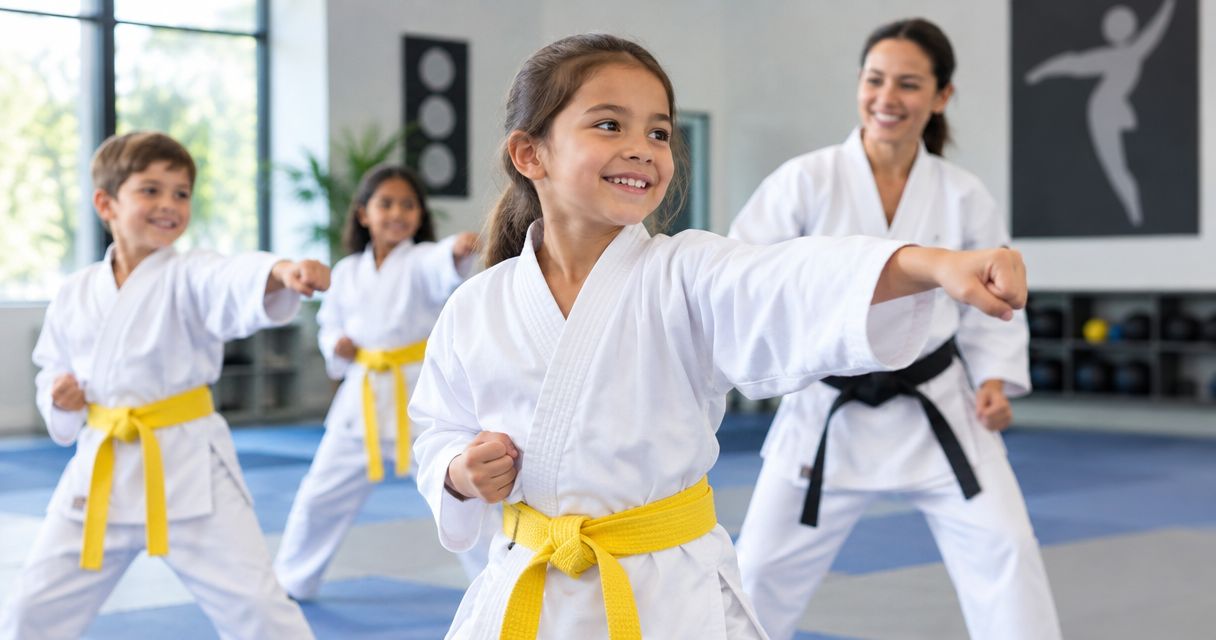
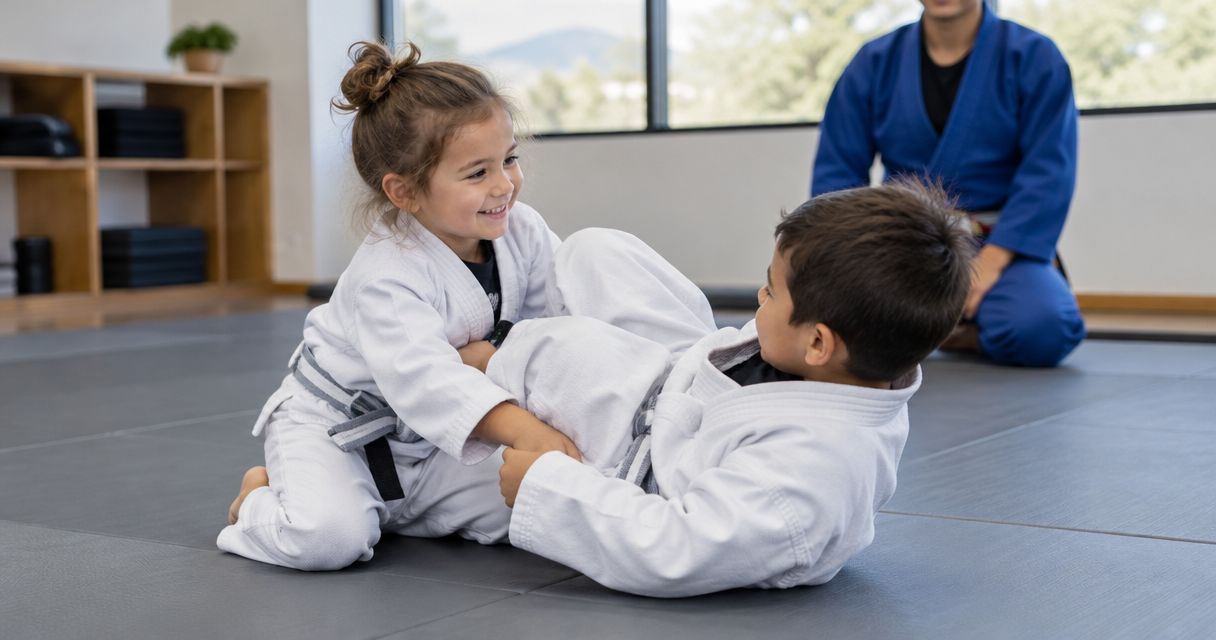
Kids Brazilian Jiu-Jitsu classes at Gonzalesjj are the most direct option to discuss when you are choosing martial arts for your child. The gym explicitly offers kids classes to the Rio Rancho and Albuquerque community. Confirm the current enrollment requirements before deciding whether the class fits.
Your first question should be about the newcomer experience, not belt progression. Ask what a child does on arrival, how an instructor explains partner work, and what happens if the child needs a pause.
Kids classes pros
- A kids offering gives parents a direct starting point for discussing child-focused training.
- You can frame the conversation around listening, participation, and comfort rather than competition.
- Confidence and discipline can be discussed as training goals without making promises about results.
Kids classes cons
- A kids class label does not establish that a particular age or developmental stage is eligible.
- Children who hesitate around unfamiliar partners still need an individual conversation about joining.
- Your family's schedule must fit the actual class times, not just the idea of attending.
Best for: Parents looking for a child's introduction to Brazilian Jiu-Jitsu.
Before enrolling, describe your child plainly. Mention whether they enjoy group activities, prefer watching first, or find physical contact unfamiliar. Give the instructor useful context without expecting a diagnosis or a guaranteed outcome.
Verdict: Choose kids classes as your first inquiry when the membership is primarily for your child.
2. Family classes: best for a shared martial arts interest
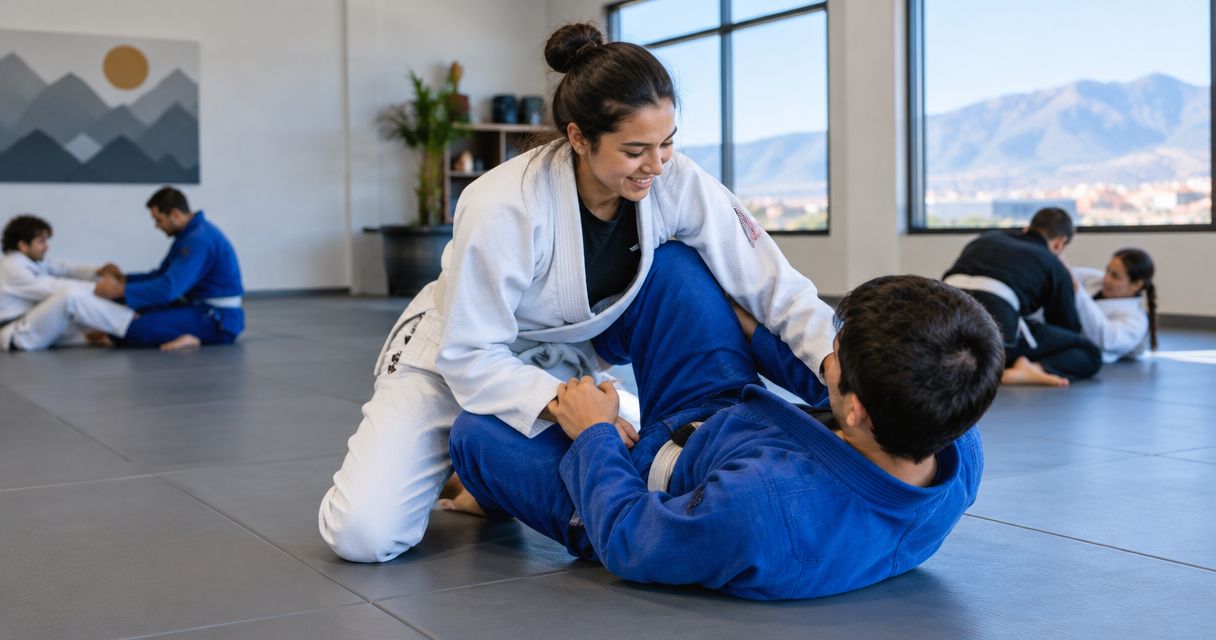
Family martial arts classes at Gonzalesjj are the option to explore when more than one household member wants to participate. The gym's description includes family classes. Ask how that offering works in practice before building your week around it.
“Family” can describe the audience without answering whether parents and children share a session. Confirm the format, individual eligibility, and whether each participant needs a different starting arrangement.
Family classes pros
- A family offering is relevant when you are assessing training for more than one person.
- You can discuss household participation in one enrollment conversation.
- Martial arts can become a shared topic at home without requiring everyone to pursue the same goals.
Family classes cons
- A shared interest does not mean every family member belongs in the same class.
- Different ages or experience levels require separate suitability questions.
- Coordinating several participants can complicate transport and weekly commitments.
Best for: Families interested in martial arts as a shared activity rather than a child-only commitment.
Ask each family member what they want from training. One person might want to learn unfamiliar techniques; another might simply want an activity they enjoy attending. Those are useful differences to explain, not differences you need to remove.
Verdict: Choose family classes when shared participation matters, after confirming the session format.
3. Competition training: best for a clear competitive goal
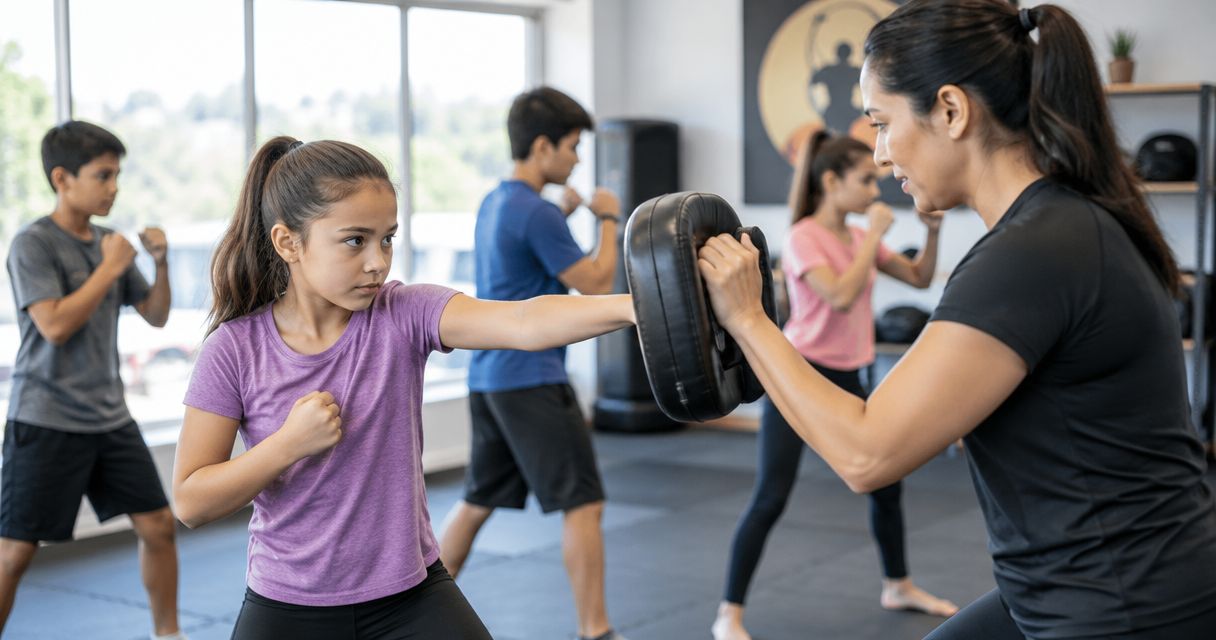
Competition training at Gonzalesjj belongs on your shortlist when the student wants to work toward competing. The gym explicitly includes competition among its offerings. That does not make competition the required destination for a beginner.
Ask the coach how a new student moves from learning basic class routines toward competition-focused work. Keep the discussion centered on readiness, expectations, and the student's willingness to participate.
Competition training pros
- A competitive goal gives the enrollment conversation a specific direction.
- You can ask directly about preparation rather than assuming ordinary attendance includes it.
- Students interested in competing can discuss that interest from the beginning.
Competition training cons
- Wanting to compete does not establish technical or emotional readiness.
- A competition goal adds decisions beyond choosing an introductory class.
- A parent and child can have different levels of interest in competition.
Best for: Students who express a clear interest in competing and need guidance on an appropriate training path.
For a beginner in 2026, the immediate decision remains the first suitable class. Ask about competition as a future direction without making an event the condition for enjoying training.
Verdict: Hold competition-focused enrollment until the student and coach agree it is the right fit.
How these options are ranked
The ranking puts the most direct starting point for a parent choosing a child's class first. Family participation comes next because it changes the household decision. Competition follows because it introduces a separate training goal.
The criteria are beginner instruction, partner supervision, stopping rules, readiness, practical attendance, and goal fit. Use the same criteria when considering any Albuquerque-area gym; a familiar name alone cannot settle those questions.
A practical plan for your first gym conversation
You do not need martial arts experience to ask useful questions. Bring a short description of your child and your family's realistic availability.
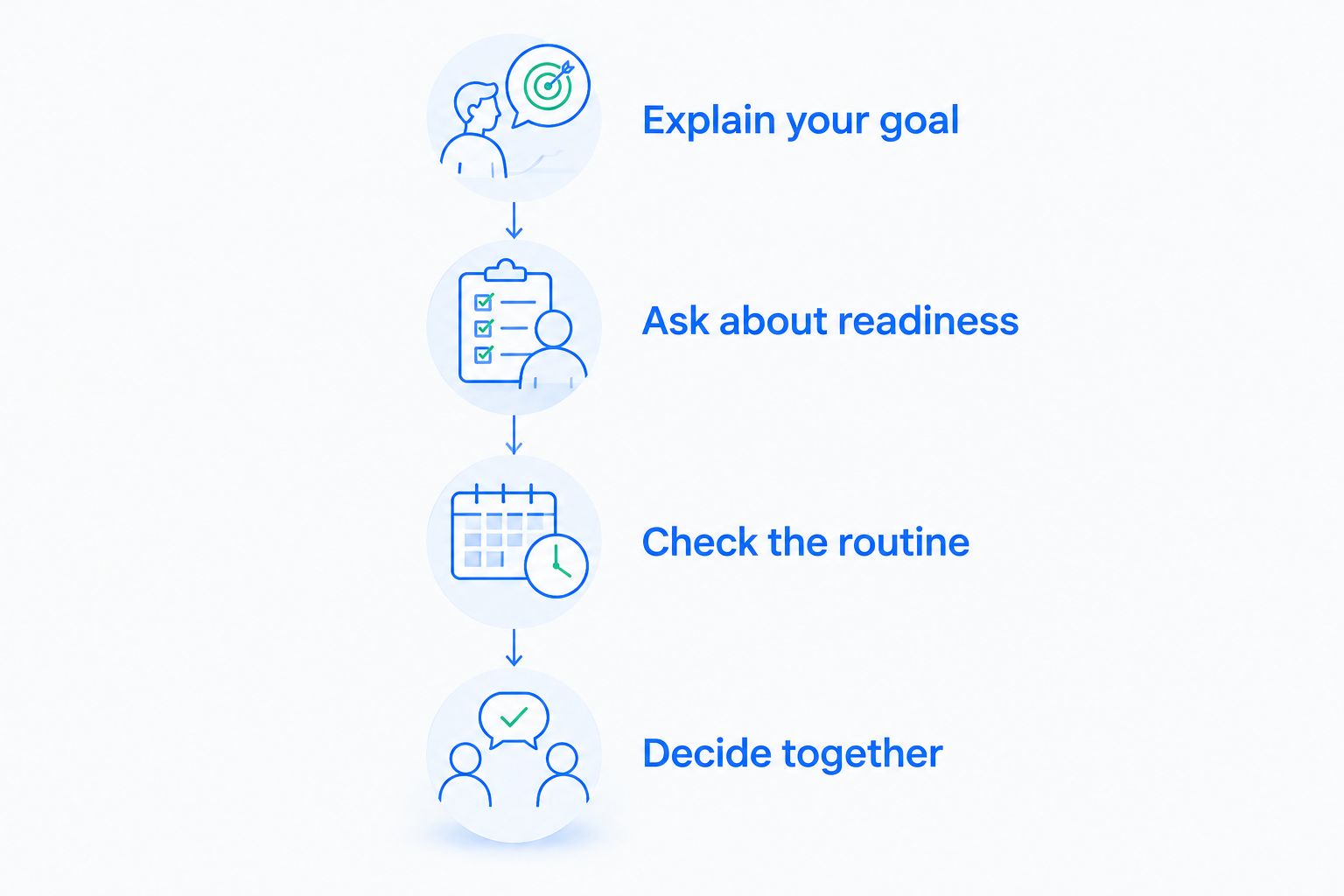
Explain your goal
Start with what you want to explore: a child's first class, participation as a family, or an interest in competition. Describe confidence and discipline as goals you hope training will support, not outcomes the gym must promise.
Ask about readiness
Ask 3 questions: Which class fits this child? How are beginners introduced to partner work? What happens when a student needs to stop? Listen for explanations you can repeat to your child in everyday language.
Check the routine
Review the class schedule before discussing membership. For your 2026 routine, consider the trip from school or home, the return journey, and whether attending leaves enough room for meals and rest.
Decide together
After the conversation or an agreed observation, ask your child what felt interesting and what felt unfamiliar. Separate ordinary first-day uncertainty from an unanswered concern. You can request clarification before making a commitment.
A useful next step is a specific question about class fit. Explain who wants to train and ask which current session the gym recommends discussing first.
Find a workable class time
Check the schedule, then ask which class fits your child's experience and your family's goals.
Which beginner jiu-jitsu option should you choose?
Start with kids classes if you are choosing mainly for your child. That is the clearest default for parents, while still leaving room to discuss family participation or competition later.
Choose family classes first when participation across your household is the main reason you are considering membership. Discuss competition training first only when the student already has that goal; ask the coach to identify the appropriate introduction.
For your 2026 decision, prioritize a class you understand and a routine you can maintain. You do not need to map out your child's entire martial arts future before asking about the first session.
FAQ
What's the best jiu-jitsu starting point for a beginner child near Albuquerque?
Kids Brazilian Jiu-Jitsu classes are the most direct starting point to discuss when enrollment is primarily for your child. Gonzalesjj offers kids classes for the Rio Rancho and Albuquerque community; confirm current eligibility and the beginner introduction before enrolling.
Is family jiu-jitsu better than kids classes?
Family classes fit a shared household goal, while kids classes are the more direct inquiry for a child-only membership. Ask whether family members train together or need different sessions before deciding.
Does my child need to compete to start Brazilian Jiu-Jitsu?
You do not need to choose competition as your child's goal when asking about beginner training. Discuss an introductory class first and ask how the gym separates beginner participation from competition preparation.
Can a shy child try jiu-jitsu?
Ask the instructor about your child's comfort with groups and partner contact before arranging a first session. Discuss whether observing is possible and how a child who needs time to settle would be introduced; confidence is a goal, not a guaranteed result.
What age can my child start classes?
Confirm the current age requirements directly with the gym. Describe your child's age and experience, then ask which class is suitable rather than relying on a general age recommendation.
How much do beginner jiu-jitsu classes cost?
Ask the gym for its current membership terms and any required equipment before enrolling. Request an explanation of the commitment and what your household would need to arrange.
What should I ask about safety in a kids jiu-jitsu class?
Ask how instructors supervise partner work, choose partners, and teach students to stop an exercise. Also ask how a newcomer is introduced to contact and what happens when a child is uncomfortable.
One last thing
Ask your child what they would like to understand before entering the gym. Their question might concern partners, clothing, or where you will be during class—not belts or competition.
Bring that question to the instructor. A first conversation becomes more useful when it addresses the child's actual concern alongside the parent's enrollment checklist.