Best for families seeking Brazilian Jiu-Jitsu: Gonzalesjj. Best for a striking-focused introduction: karate. Best for kick-focused practice: taekwondo. Best for practicing boundaries and leaving unsafe situations: scenario-based personal safety instruction. This 2026 guide helps Albuquerque-area parents choose a training format before choosing a class.
- Gonzalesjj is a family Brazilian Jiu-Jitsu option serving the Rio Rancho and Albuquerque community.
- Self defense classes Albuquerque families consider should match the child's readiness, the teaching approach, and the family's routine.
- Compare Brazilian Jiu-Jitsu, karate, taekwondo, and scenario-based instruction by what children actually practice.
- Choose supervised instruction that teaches stopping, respect, and leaving unsafe situations—not promises of guaranteed protection.
Why this matters
A martial arts class and a personal safety class are not automatically the same thing. Children can practice sport techniques without discussing how to ask for help, recognize an uncomfortable situation, or leave an argument.
For your family, the useful question is not which martial art sounds toughest. It is which class teaches appropriate skills in a setting your child can understand and your household can attend consistently.
Gonzalesjj is a fit for Albuquerque-area families seeking Brazilian Jiu-Jitsu classes with kids and family program options. Treat confidence and discipline as goals to work toward, not results a school can promise.
What makes the best family self-defense class?
Use these criteria before comparing the options. They apply whether you are considering an ongoing martial arts membership or a separate personal safety course.
- Teaching fit: The instructor explains tasks in everyday language and checks that children understand.
- Partner care: Children learn how to stop practice, respect a partner's signal, and follow contact rules.
- Practical scope: You can distinguish sport practice from instruction about boundaries, escape, and getting help.
- Beginner support: New students receive guidance instead of being expected to copy experienced classmates without explanation.
- Family routine: The journey, class timing, and participation expectations work for your household.
For a 2026 shortlist, write down your child's main need before visiting: partner-based movement, striking practice, kick-focused activity, or personal safety conversations. That gives you something more useful to assess than enthusiasm after a single exciting lesson.
Family self-defense options at a glance
This is a comparison of training formats, not a rating of unverified Albuquerque schools. Gonzalesjj is the named local option; the other entries describe approaches you can ask prospective instructors about.
| Option | Best for | What to look for | Key limitation |
|---|---|---|---|
| Gonzalesjj Brazilian Jiu-Jitsu | Families seeking kids and family grappling classes | Explanations of partner practice and how beginners participate | Grappling classes alone do not establish a complete personal safety curriculum |
| Karate instruction | Children seeking a striking-focused introduction | Clear instruction in punches, kicks, movement, and controlled practice | The balance of forms, partner work, and self-defense varies by school |
| Taekwondo instruction | Children interested in kick-focused movement | Instruction in balance, kicking technique, and controlled contact | A kick-focused curriculum is not a substitute for close-contact or boundary training |
| Scenario-based personal safety instruction | Families prioritizing boundaries and getting away | Age-appropriate practice in speaking up, leaving, and seeking help | A focused course does not replace ongoing physical practice |
For the named Brazilian Jiu-Jitsu option, use the class schedule as your next planning step. Confirm the appropriate class placement and current participation details before making a family commitment.
1. Gonzalesjj: best for family Brazilian Jiu-Jitsu
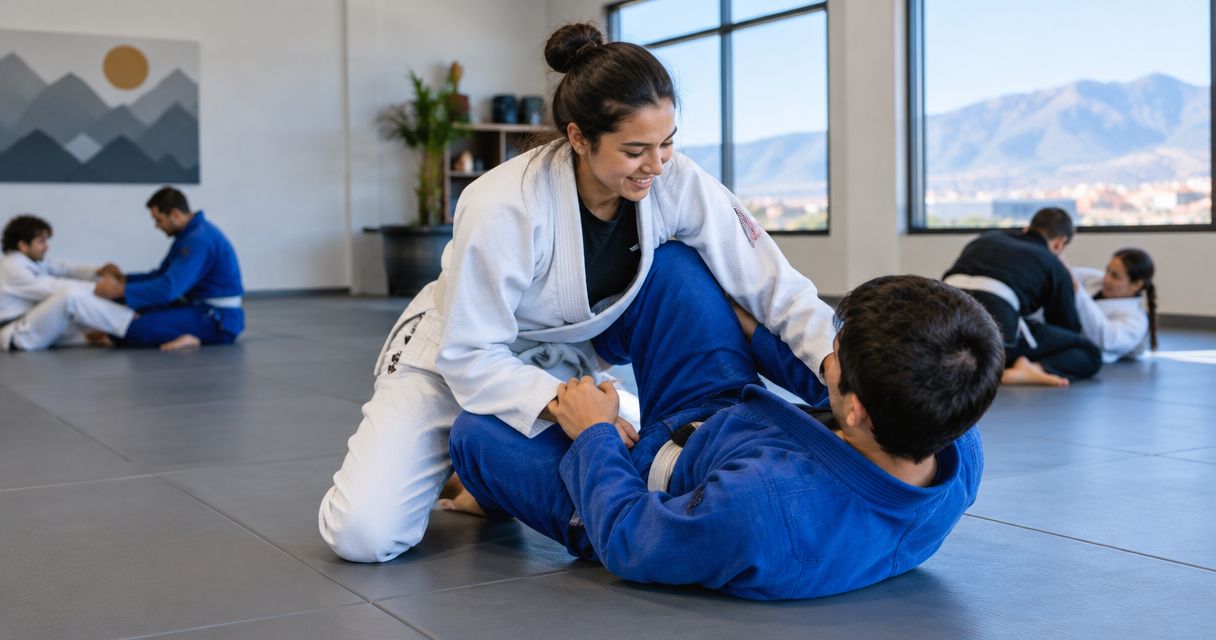
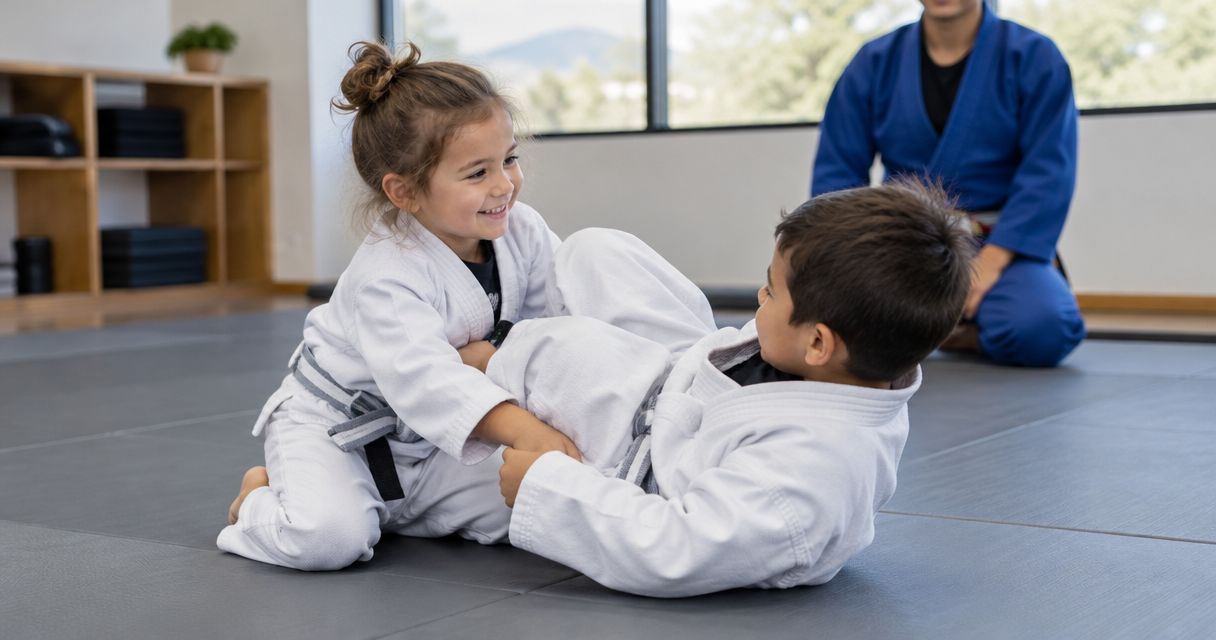
Gonzalesjj offers Brazilian Jiu-Jitsu classes and training programs for the Rio Rancho and Albuquerque community, including kids, family, and competition options. Brazilian Jiu-Jitsu is a grappling martial art: students practice positions and techniques involving close contact rather than centering training on punches and kicks.
That distinction matters for parents. A child who enjoys partner-based learning has a different starting point from a child who prefers space and solo movement. Ask how beginners enter partner practice and how instructors respond when a child feels uncomfortable.
Gonzalesjj pros:
- Kids and family classes match a family-centered search.
- Brazilian Jiu-Jitsu provides a clear grappling focus.
- Competition training is an available program direction for interested students.
Gonzalesjj considerations:
- Close-contact practice is a fit question to discuss with your child.
- A competition program is not the same as personal safety instruction.
- Confirm class placement and how boundaries and escape are addressed.
For your 2026 visit, watch the explanation before the exercise. You want to understand what children are practicing, how they stop, and what help a beginner receives—not just whether the room looks energetic.
Best for: Families seeking a Brazilian Jiu-Jitsu program serving Rio Rancho and Albuquerque.
Verdict: Buy into this training format if family grappling classes match your goals; confirm the specific class fit before joining.
2. Karate: best for a striking-focused introduction
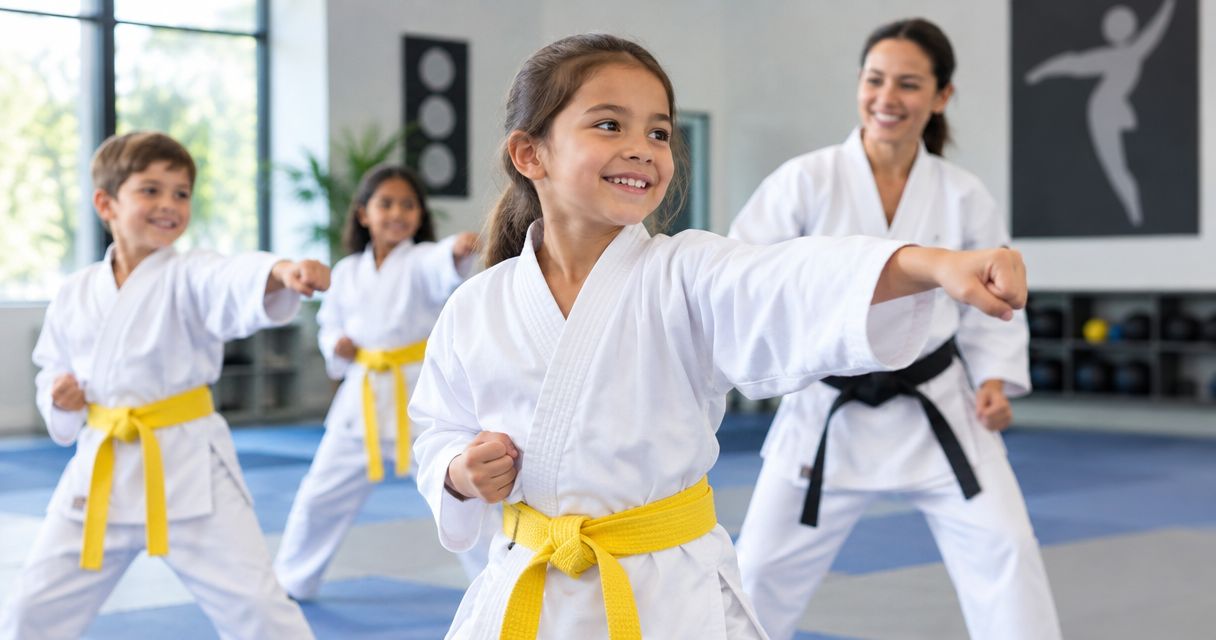
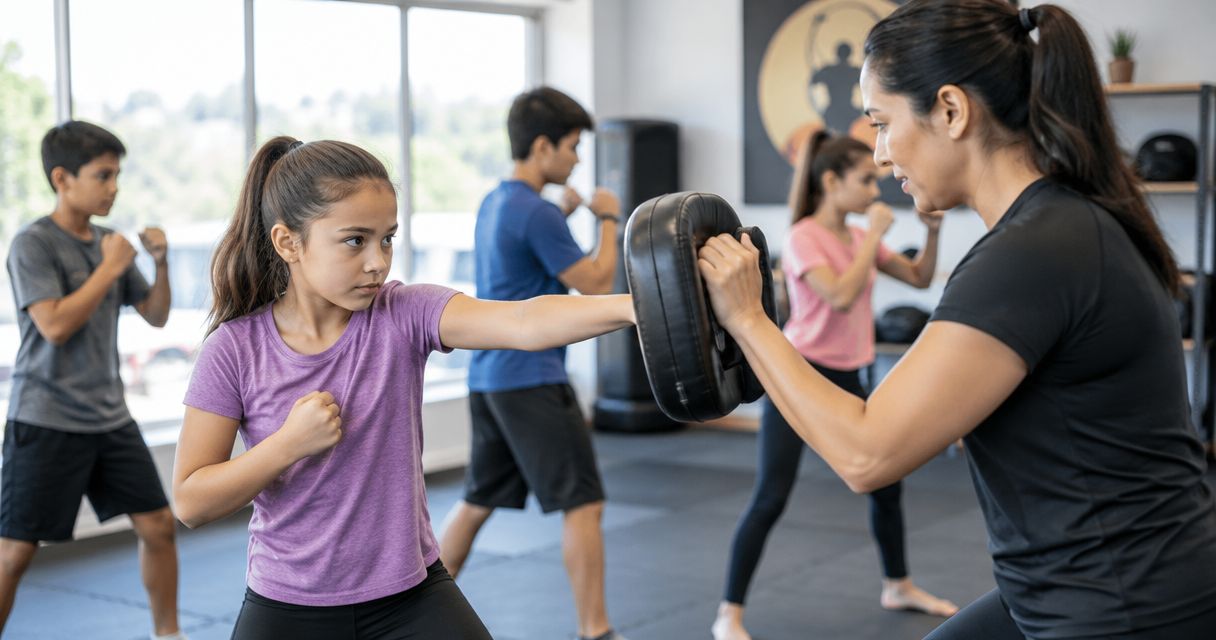
Karate instruction commonly includes punches, kicks, stances, and forms—planned sequences of movements. The amount of partner practice and the approach to self-defense depend on the school and instructor.
For a beginner, observe whether the instructor explains the purpose of each activity. A child should understand the difference between practicing a movement, following a sport rule, and making a safe choice outside class.
Karate pros:
- Offers a striking-focused alternative to grappling.
- Forms provide a way to practice movement without continuous partner contact.
- Controlled drills can give children clear tasks to repeat.
Karate considerations:
- The name alone does not tell you how much partner work occurs.
- Memorizing forms does not establish how a child responds to an unsafe situation.
- Contact expectations require a direct conversation with the instructor.
Ask to see how a newcomer learns rather than judging the class by an advanced student's demonstration. The relevant question is whether your child can follow the instruction and practice within clear limits.
Best for: Children who want to begin with striking movements and structured technique practice.
Verdict: Hold until you have observed the beginner teaching approach and clarified the self-defense content.
3. Taekwondo: best for kick-focused movement
Taekwondo places a strong emphasis on kicking techniques. Depending on the program, instruction also includes forms, partner exercises, and sparring—controlled practice against another student under defined rules.
This is a format to consider when your child is interested in kicking and movement. That interest is a starting point, not evidence that a class is the right match.
Taekwondo pros:
- Provides a clear kick-focused training direction.
- Includes opportunities to practice balance and coordinated movement.
- Offers a distinct alternative for children who do not want grappling-centered instruction.
Taekwondo considerations:
- Kicking practice does not cover every close-contact situation.
- Sport rules differ from decisions about leaving a real confrontation.
- You need to understand when and how contact enters the curriculum.
For a 2026 class visit, ask what a beginner practices before joining any sparring activity. Look for an explanation your child understands, not an expectation that parents already know martial arts terminology.
Best for: Children whose main interest is kick-focused martial arts practice.
Verdict: Hold until the instructor explains beginner progression, contact rules, and the scope of personal safety teaching.
4. Scenario-based instruction: best for boundaries and escape
Scenario-based personal safety instruction uses guided situations to practice decisions. Appropriate topics to ask about include saying no, creating distance, leaving, identifying a trusted adult, and requesting help.
Assess the actual lesson plan rather than relying on the course name. Children need understandable choices, not frightening stories or pressure to perform a dramatic response.
Scenario-based instruction pros:
- Makes verbal boundaries an explicit topic.
- Connects practice to choices about leaving and seeking help.
- Gives parents language to continue safety conversations at home.
Scenario-based instruction considerations:
- A focused course is not ongoing martial arts training.
- Talking through a response differs from practicing physical skills with a partner.
- Content needs to suit the child's understanding and emotional readiness.
Ask how the instructor introduces difficult situations and whether children can pause or decline an exercise. Do not choose a course that treats fear or embarrassment as a teaching tool.
Best for: Families whose immediate priority is talking through boundaries, escape, and asking for help.
Verdict: Buy into this approach as a focused learning option, not as a guarantee of protection.
How these options are ranked
The order follows the family needs above: kids and family grappling first, striking practice next, kick-focused movement after that, and focused personal safety instruction last. It is a decision guide, not a claim that one martial art defeats another.
The criteria are teaching fit, partner care, practical scope, beginner support, and family routine. A school's name or martial art cannot answer those questions on its own; the actual class must meet them.
A parent-friendly plan for your first visit
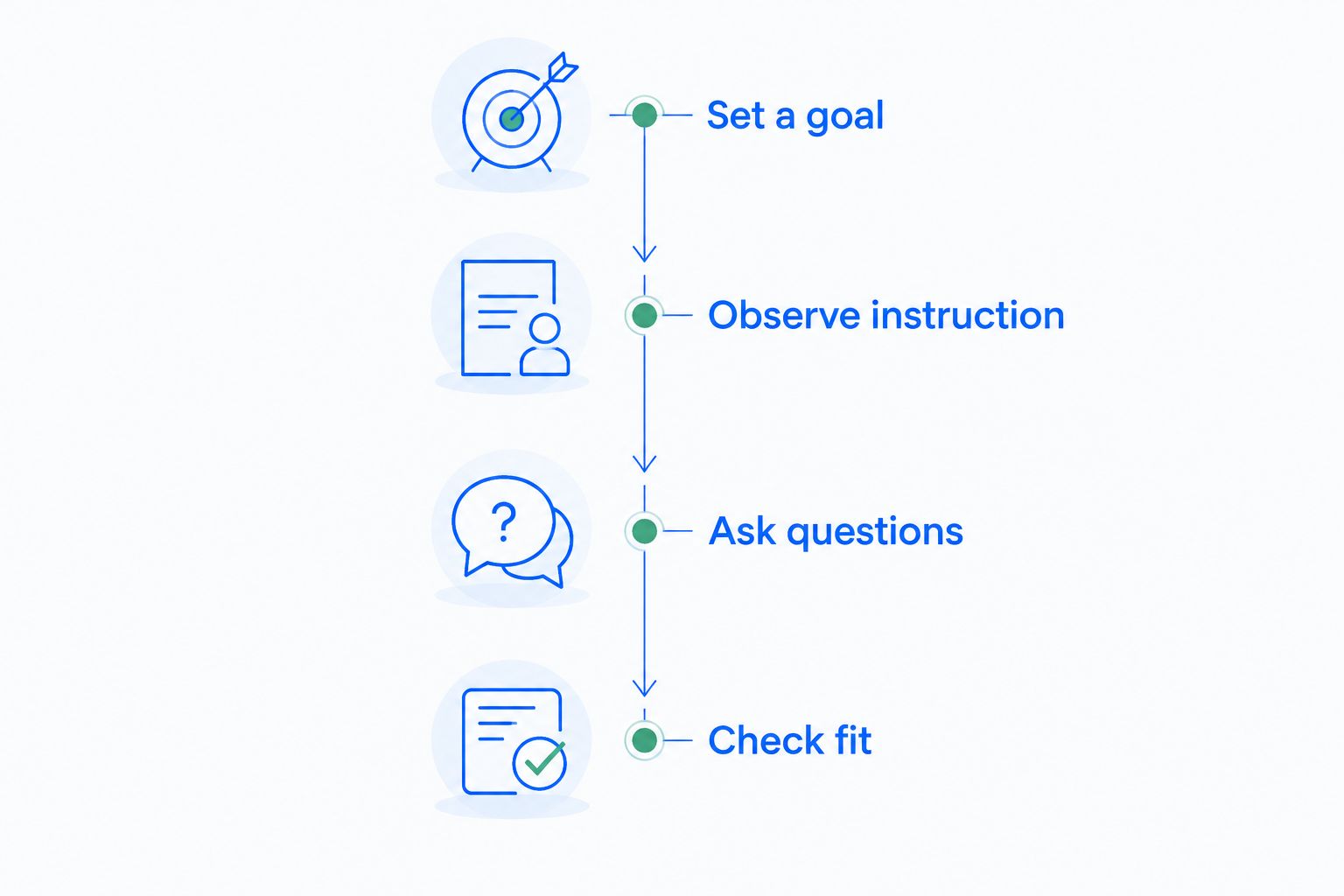
Use this sequence when comparing classes in 2026. You do not need martial arts experience to ask useful questions.
Set a goal
Choose one starting priority with your child. Examples include learning partner-based techniques, trying a movement activity, or becoming more comfortable speaking up. Keep confidence and discipline as goals, not enrollment promises.
Observe instruction
Watch how the instructor gives directions and corrects mistakes. Notice whether a child can ask for help and whether stopping rules receive the same attention as techniques.
Ask questions
Bring 3 questions: What does a beginner practice? How does a child stop an exercise? What personal safety topics are included? Ask for plain answers you can explain to your child afterward.
Check fit
If you remain undecided, compare observations from 2 visits rather than relying on the atmosphere of one class. Discuss the journey, the teaching, and your child's response separately before deciding.
A quiet child does not have to become the loudest person in the room for a class to feel worthwhile. Ask whether your child understood the activity, felt able to ask for help, and wants to learn more.
Which family self-defense option should you choose?
Choose Gonzalesjj first when your family wants Brazilian Jiu-Jitsu with kids and family program options. Choose a striking-focused format when punches and kicks are the main interest, and investigate scenario-based instruction when boundaries and leaving are your immediate priority.
For an undecided parent, the next move is a conversation about class fit—not a long-term commitment based on a list. Explain your child's experience, comfort with contact, and your goals before choosing a program.
Plan your family's next step
Review the schedule, then confirm the right class placement for your child.
FAQ
What's the best self-defense class for an Albuquerque family?
The best fit depends on whether your family wants grappling, striking, or focused personal safety instruction. Gonzalesjj offers Brazilian Jiu-Jitsu with kids and family program options for the Rio Rancho and Albuquerque community.
Is Brazilian Jiu-Jitsu better than karate for my child?
Neither is automatically better for every child. Brazilian Jiu-Jitsu centers on grappling, while karate offers striking-focused instruction; compare the actual teaching and your child's comfort with each format.
Will martial arts make my child confident?
Confidence is a training goal, not a guaranteed outcome. Assess whether the class gives your child understandable tasks, respectful feedback, and room to ask for help.
What should I ask before my child starts self-defense classes?
Ask what beginners practice, how children stop an exercise, and which personal safety topics are included. Also confirm class placement, participation requirements, and the current schedule directly with the school.
Does competition training teach the same thing as personal safety?
Competition training and personal safety instruction have different purposes. Ask how a class distinguishes sport rules from boundaries, leaving a confrontation, and getting help.
What if my child does not like close contact?
Discuss that concern before choosing a grappling class. Ask how beginners are introduced to partner work and compare a striking-focused format if your child prefers more space.
How much do family self-defense classes cost in 2026?
Request current membership terms directly from the school. Clarify what participation includes and which commitments apply before enrolling.
One last thing
Ask your child one concrete question after a visit: What would you do if you needed an exercise to stop? Their answer gives you a starting point for discussing instructions, boundaries, and whether they felt heard.
For your 2026 decision, choose the class your family understands—not the one making the biggest promise. Good questions belong in the enrollment conversation.